
Product Practice Labs
“It focused on actionable and usable techniques over complex frameworks that aren’t usable day to day”
“I love that Jim brought a POV as a proven entrepreneur. He has a ton of credibility and proven success. He could speak clearly to our issues and how to build tech products.”
“Very interactive, pushes folks out of our comfort zone.”
Short duration. Big impact.
These micro-workshops are field-tested sessions that help teams build practical skills in one focused topic area. They are a quick, useful way to bring learning into busy schedules without asking people to step away from their work for a full day.
Attendees don’t just listen. They work with the material and apply it to their own product, team, or current challenge during the session. They can ask questions, get feedback from Jim, and improve their thinking as they go.
Jim has lived these topics as a startup founder, product leader, and coach. For the past 10 years, he has worked with startups and enterprise teams to improve how they discover opportunities, make decisions, align stakeholders, and build better products. Each session is adapted to the company where it’s taught, so the examples, exercises, and discussion feel relevant to the team’s actual work.
Browse the sessions below to see which ones would be most useful for your team.
Schedule a Product Practice Lab for your team


**Each individual blurb below is its own micro-workshop.
Micro-Workshops: Using AI in Product Management
-
The AI-Enhanced Product Creator
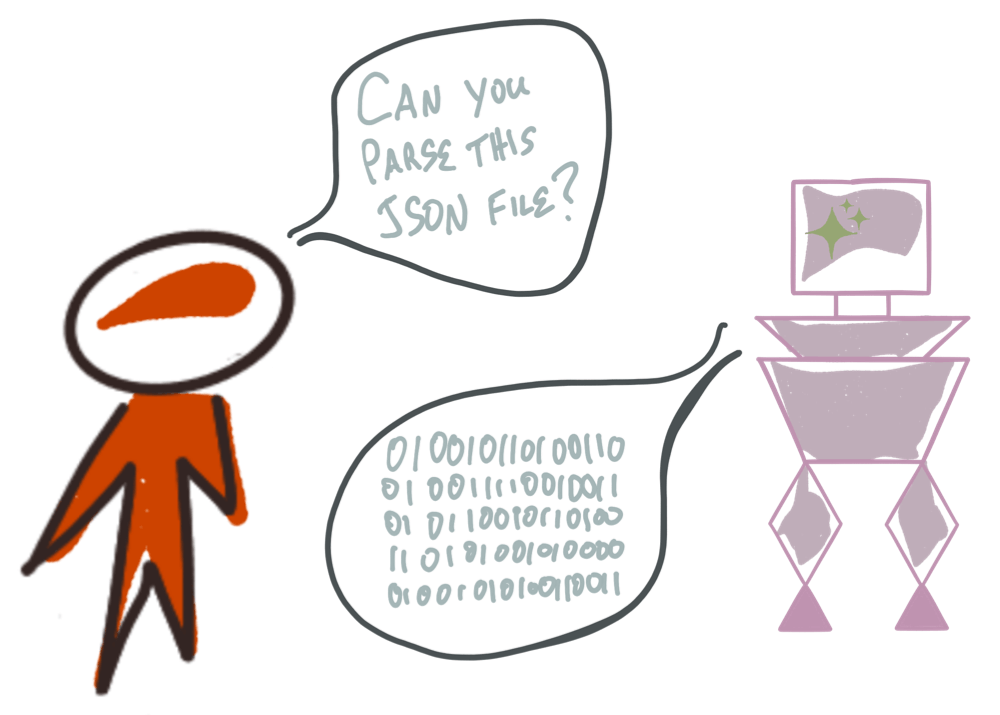
See how PMs are using AI right now in their daily work. This session covers popular AI vendors that PMs use, examples of apps PMs have created, and where PMs are going next in using AI to power their day.
-
How Vibe Prototyping Changes Everything
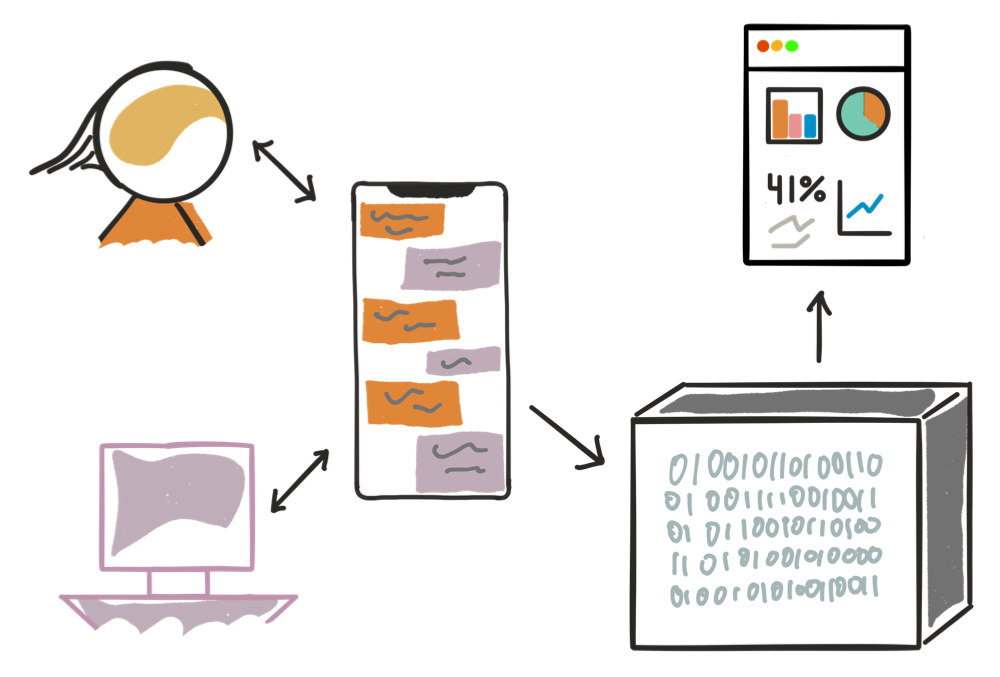
If a picture is worth a thousand words, an interactive prototype takes this to the next level. See how PMs, Designers, and Engineers are using vibe-coded prototypes to quickly manifest their ideas into working examples that can align stakeholders, test concept with users and act as the a high quality deliverable to engineering.
Micro-Workshops: Problem Finding
-
Find Problems & Opportunities
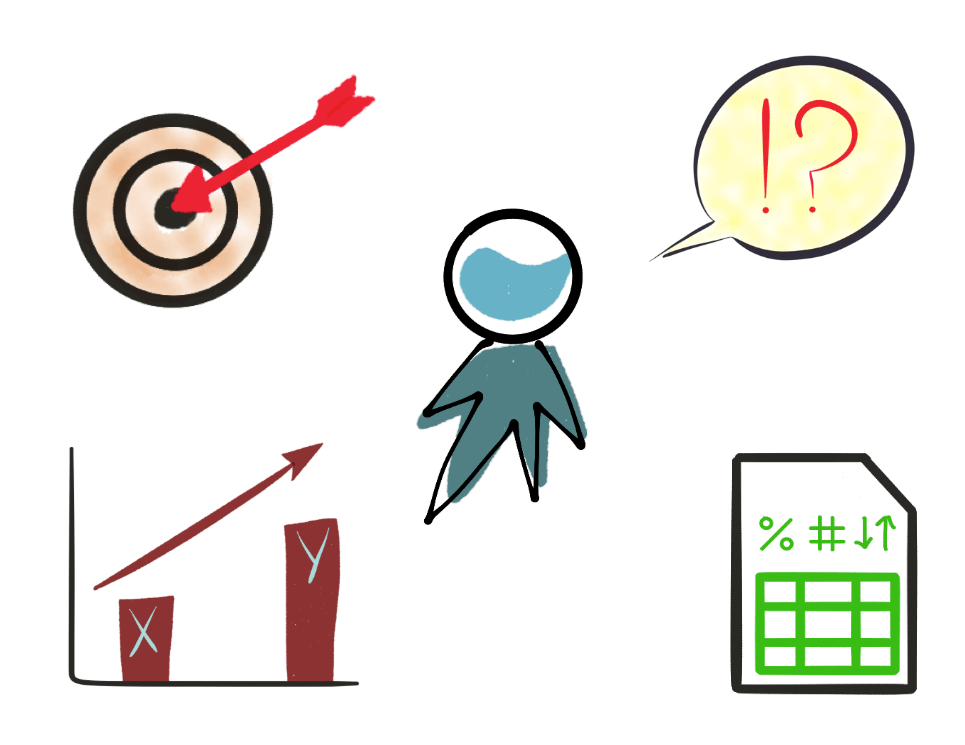
Use your constant stream of inbound ideas to reverse engineer problems and opportunities to work on. Create an Opportunity Assessment to capture next steps and drive alignment.
-
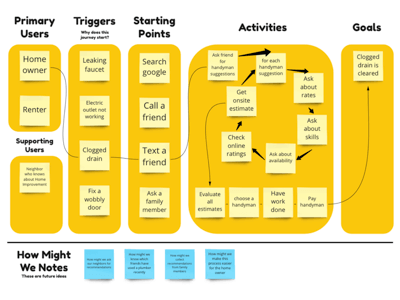
Understand the User Experience
Why do users engage with your product? Where do they encounter problems? Where are the opportunities for improvement? Map the user journey and turn it into actionable next steps.
-
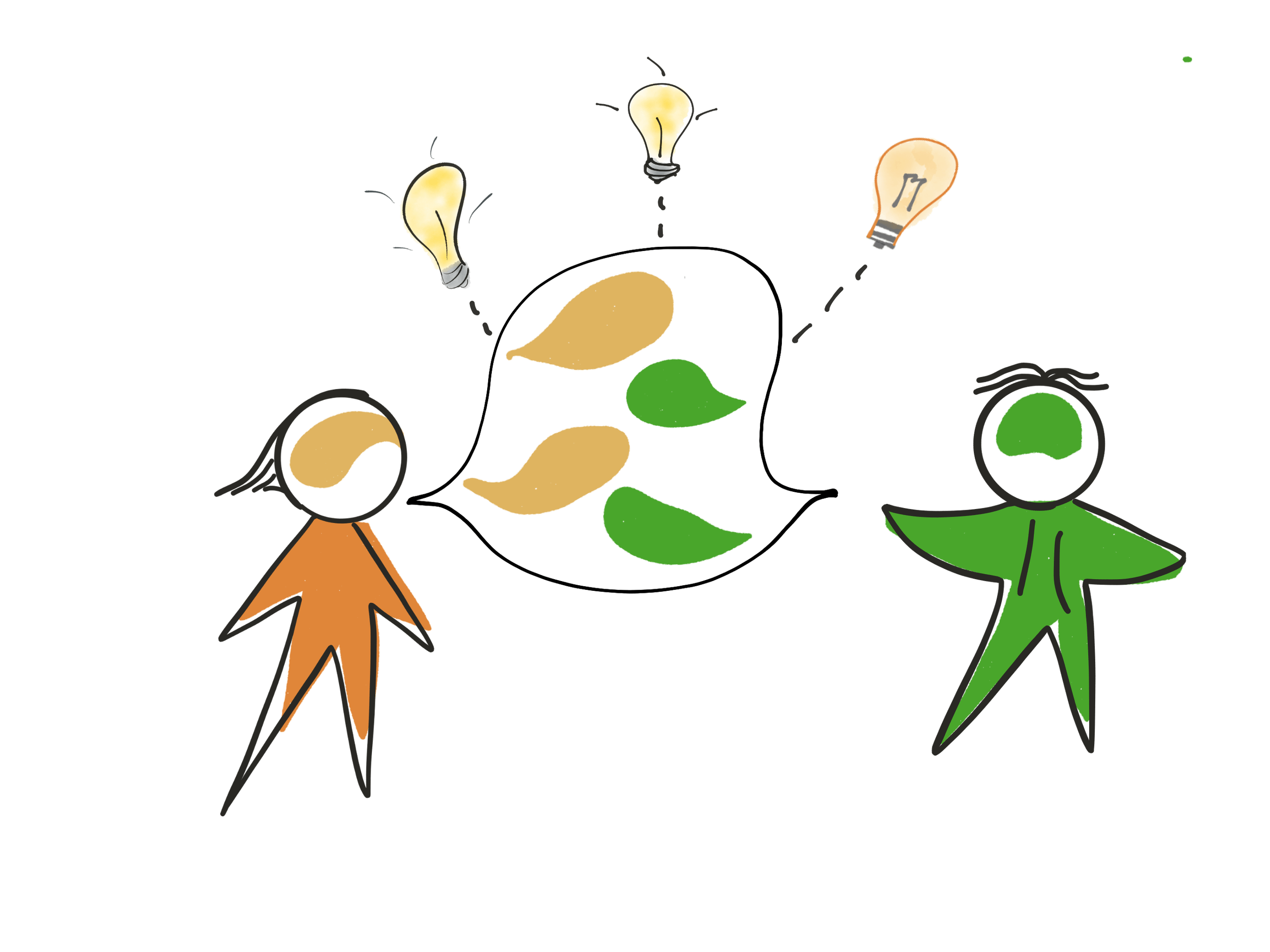
Customer Listening Techniques
Learn efficient ways to understand customer needs not just their wants. Use specific questions and techniques to interview and listen to customers before you get to the solution phase.
Micro-Workshops: Work Better Together as a Team
-
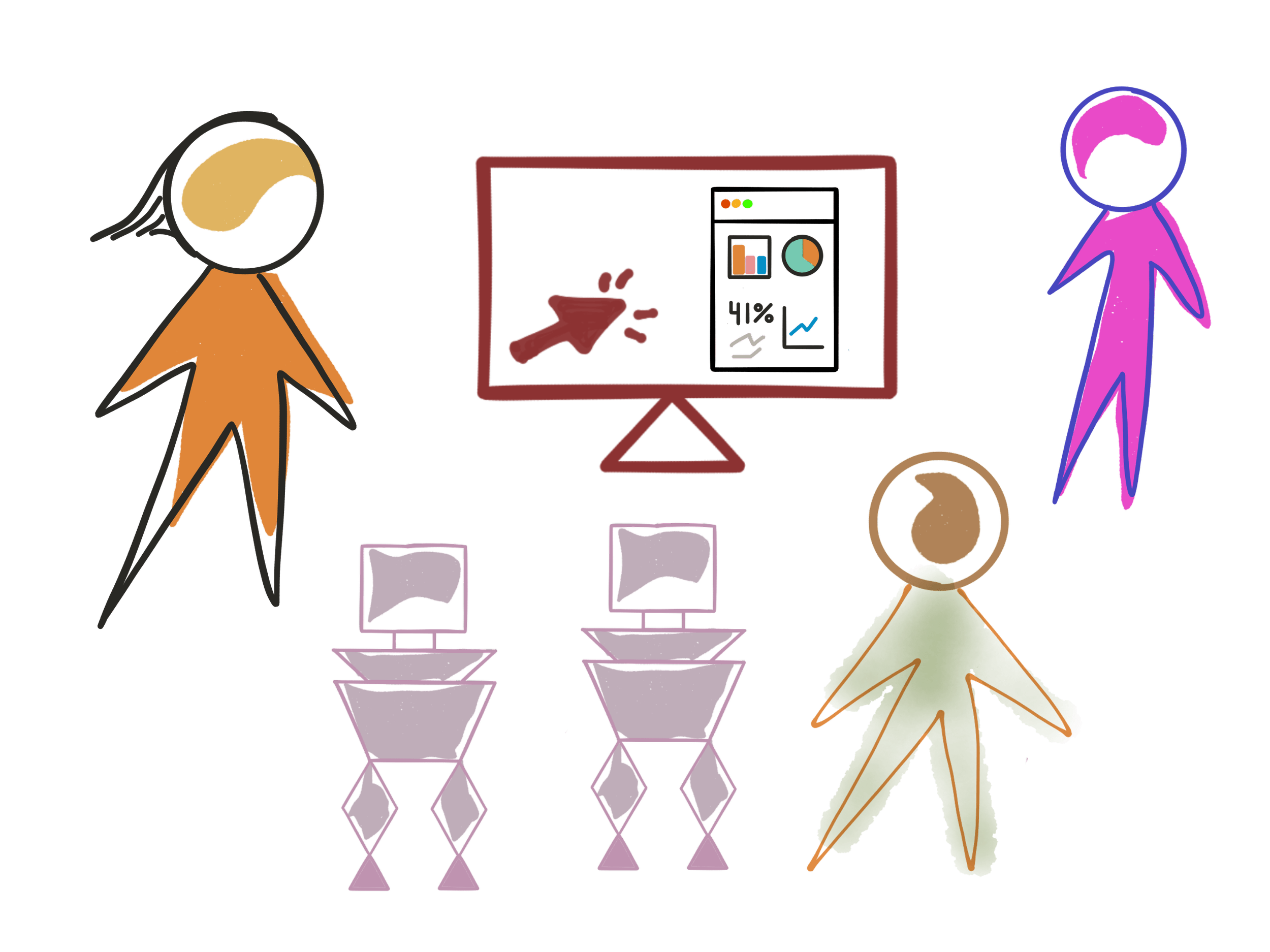
Teaming in the Age of AI
AI is changing how we build product. How do we work now and how do we adopt the best practices of new ways of working? Learn how AI is affecting teamwork and collaboration.g
-
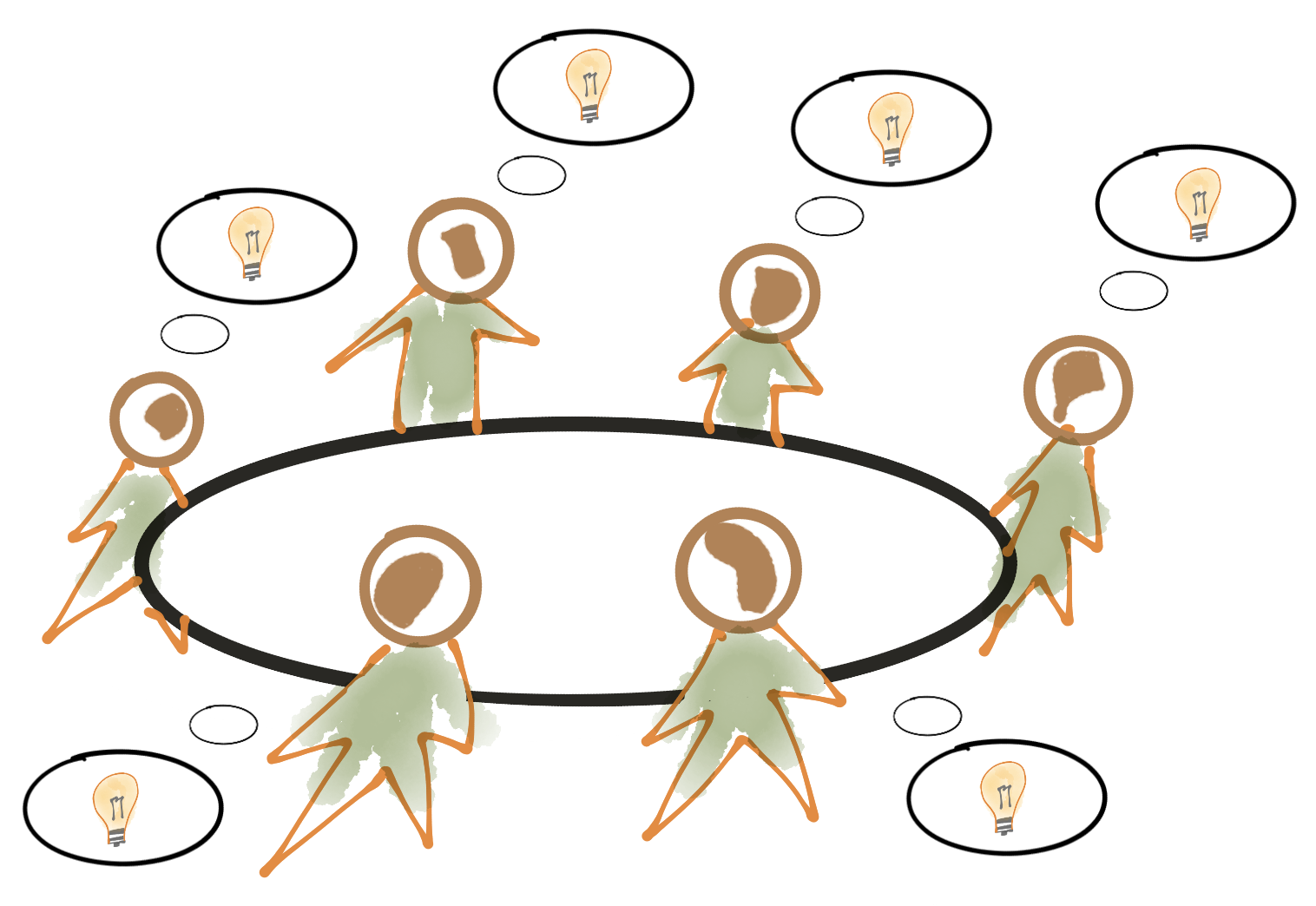
Facilitate Better Team Decisions
Getting the most out of a team is hard. Learn to develop every team member’s point of view while still keeping everyone on track towards your team’s goals.
Micro-Workshops: Product Discovery Best Practices
-
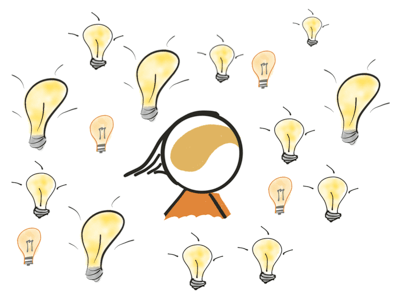
Get Unstuck. Supercharge Your Creativity.
The first idea is usually not the best idea. Learn several concrete techniques you can use today and get your team unstuck and back to innovating.
-
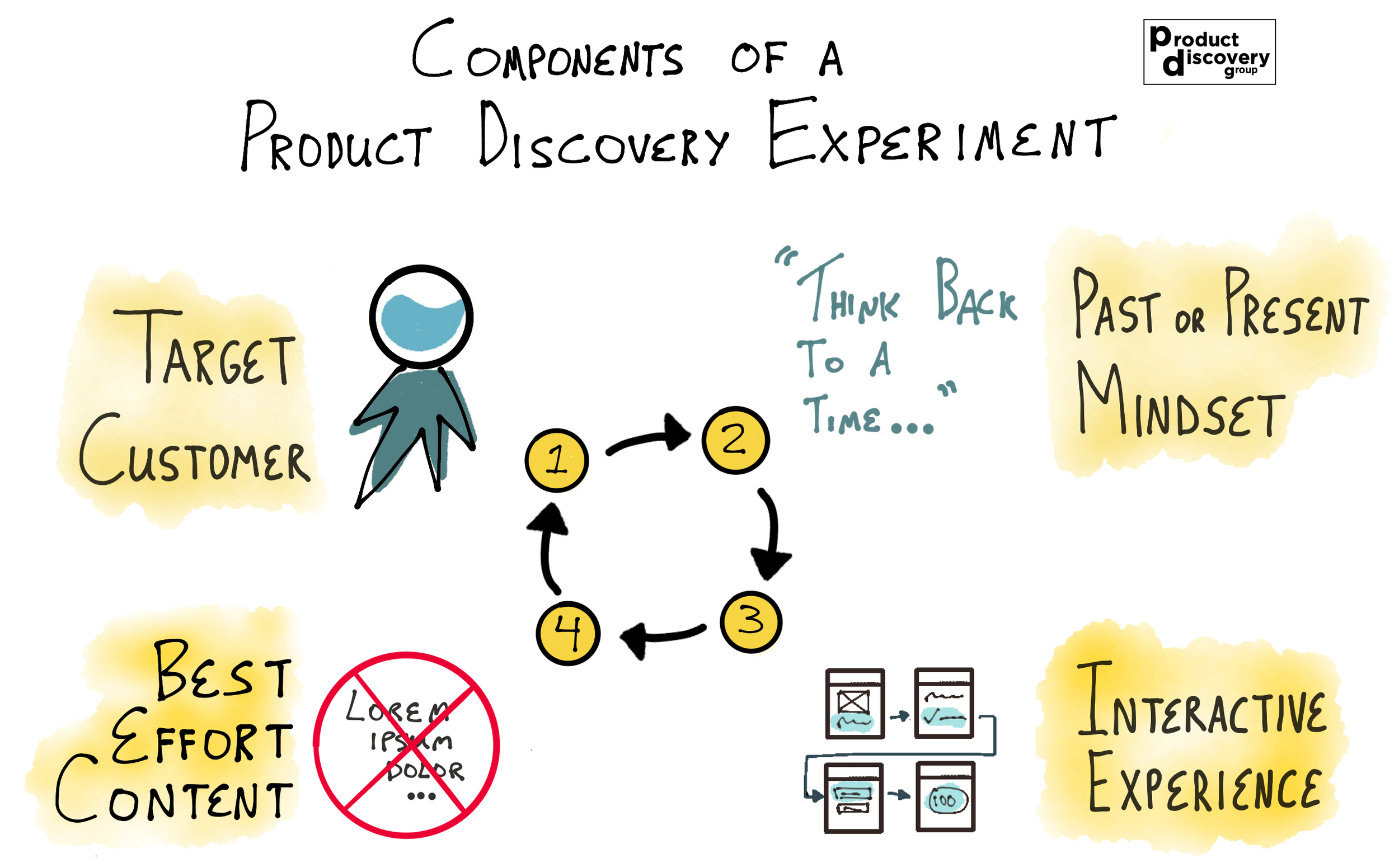
Design Effective Experiments
Don’t just go through the motions. A well-crafted prototype is worth more than a well-crafted set of interview questions. Learn how to structure an experiment that maximizes learnings while staying time efficient.
-

Identify and Recruit the Right Customers
Talking to real customers reduces the risk of your product underperforming. But finding users can be hard. Learn to efficiently define, recruit and screen customers for interviews.
-
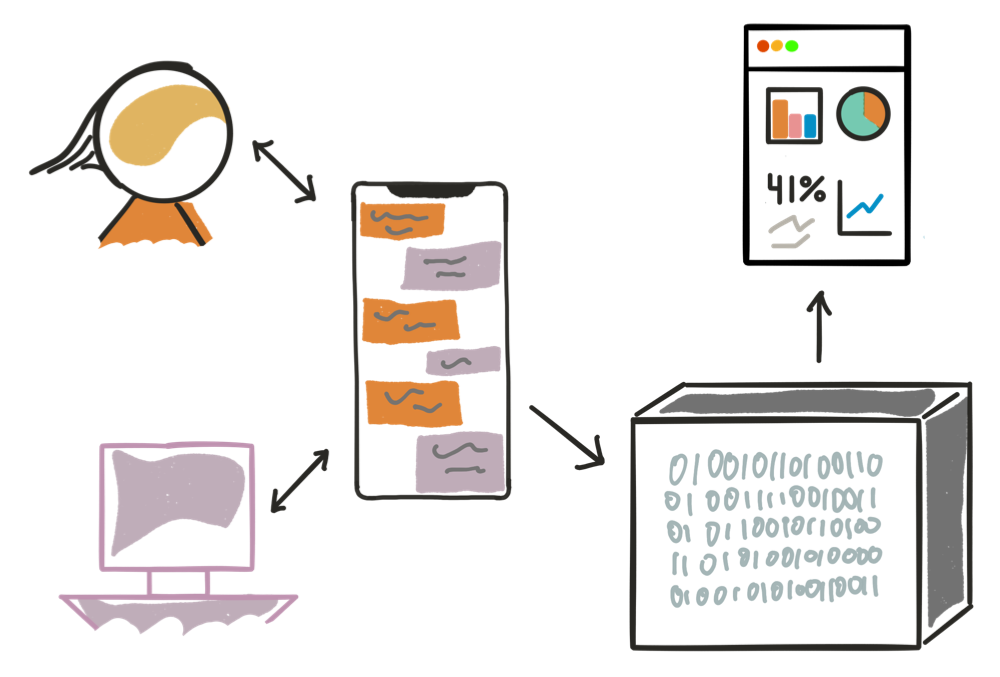
Make Great Prototypes with AI
All team members can benefit from learning the ways AI has changed how we make prototypes. See real examples and a demo of AI prototyping.
-
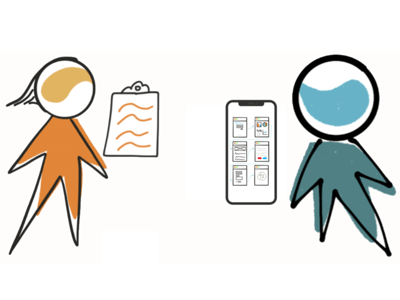
Best in Class Prototype Interviewing
Leverage a tried and true hypothesis-driven script refined over time with hundreds of interviews. Avoid asking biased questions. Learn what phrases and questions you can use instead.
-
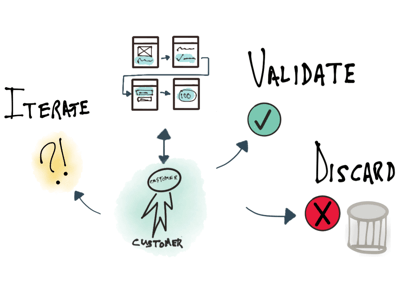
Analyze Feedback and Present Findings with Confidence
Get on the same page with your team. Learn how to make sense and take action from customer feedback sessions. Learn how to present your findings with confidence to multiple types of audiences.
-

Achieve Continuous Discovery
What’s next for this product? Make a Product Discovery plan for the next quarter. Find and remove barriers to continuous discovery.
Micro-Workshops: Product Analytics
-
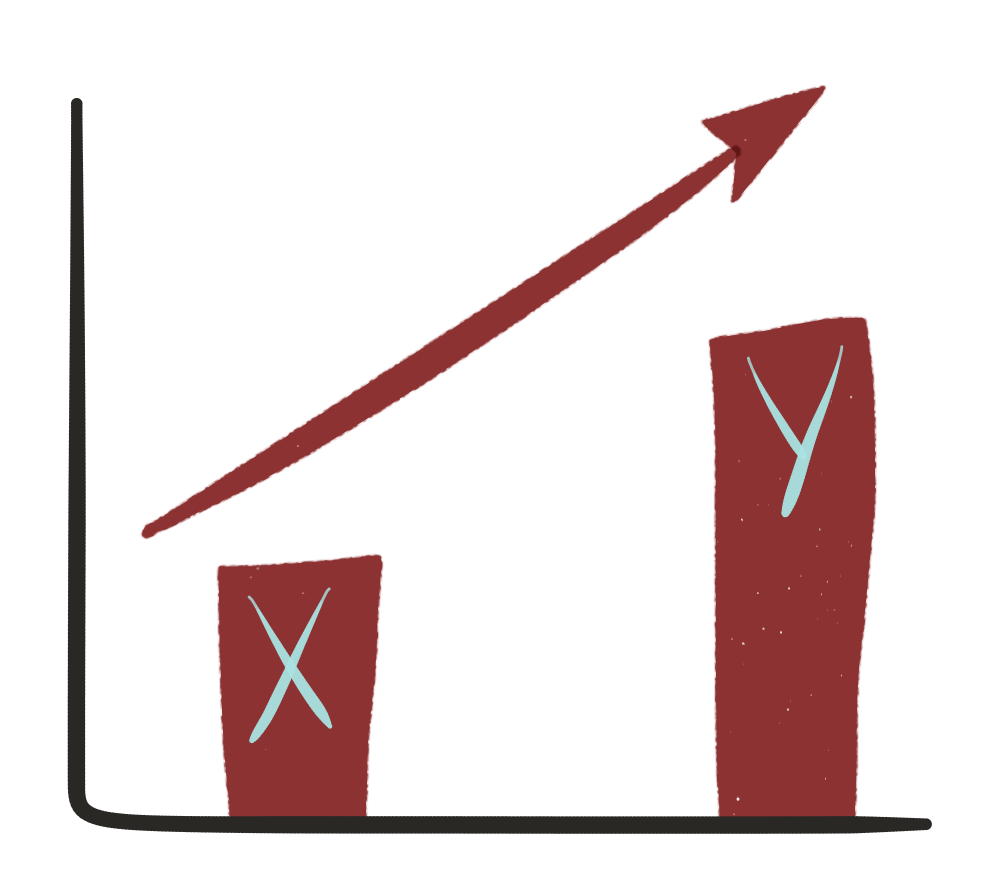
Creating Effective KPIs and OKRs
Teams and leaders struggle to focus their efforts. Whether you’re just improving a Key Performance Indicator (KPI) or striving to achieve a key result, learn how to lead your team and align your stakeholders by writing and communicating high quality metrics.
-
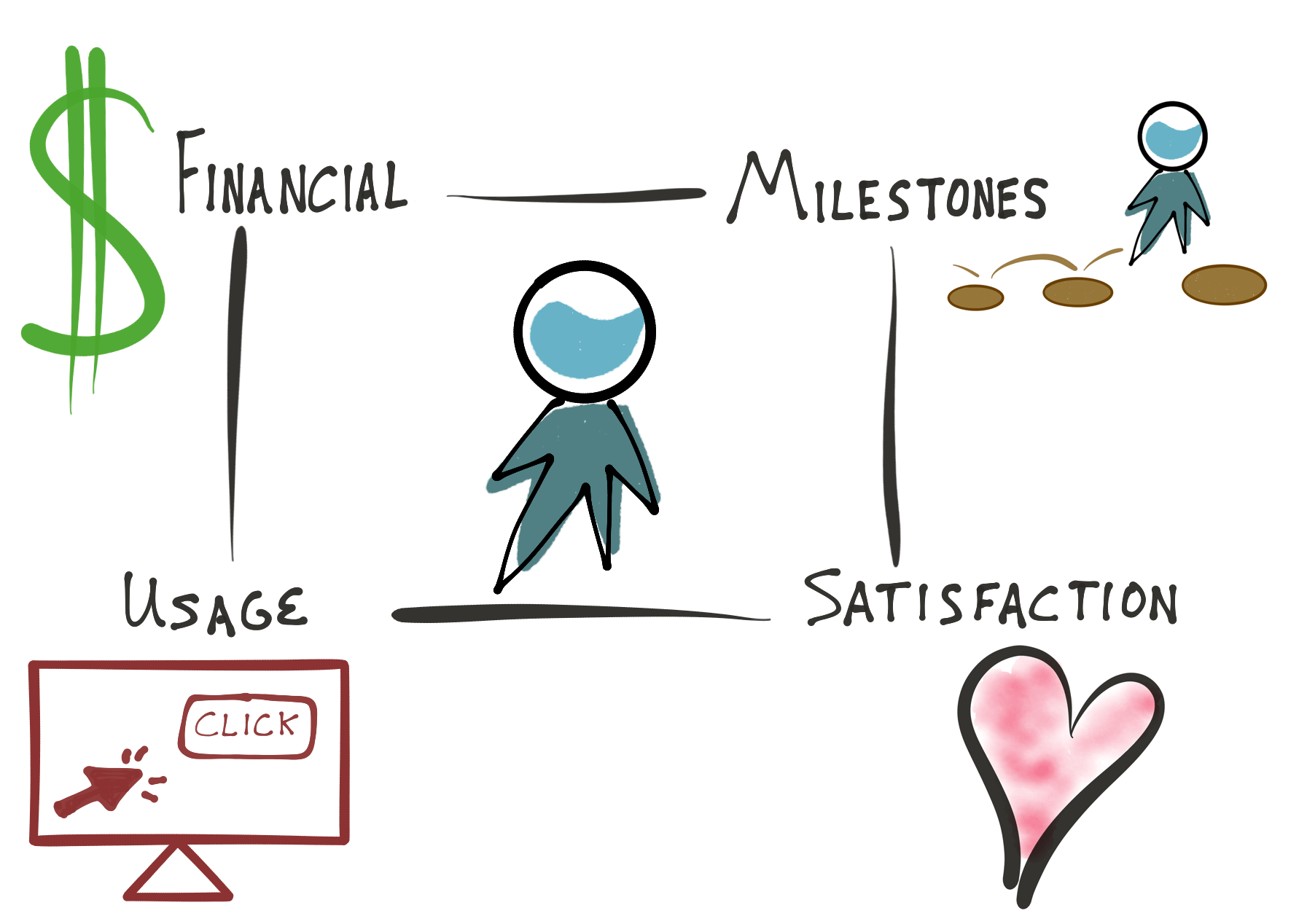
Find and Analyze your Success Metrics
Don’t rely on lagging financial metrics to understand the success of your product. Find leading indicators and develop activated users by tracking and analyzing usage, engagement, satisfaction and milestone metrics.
-
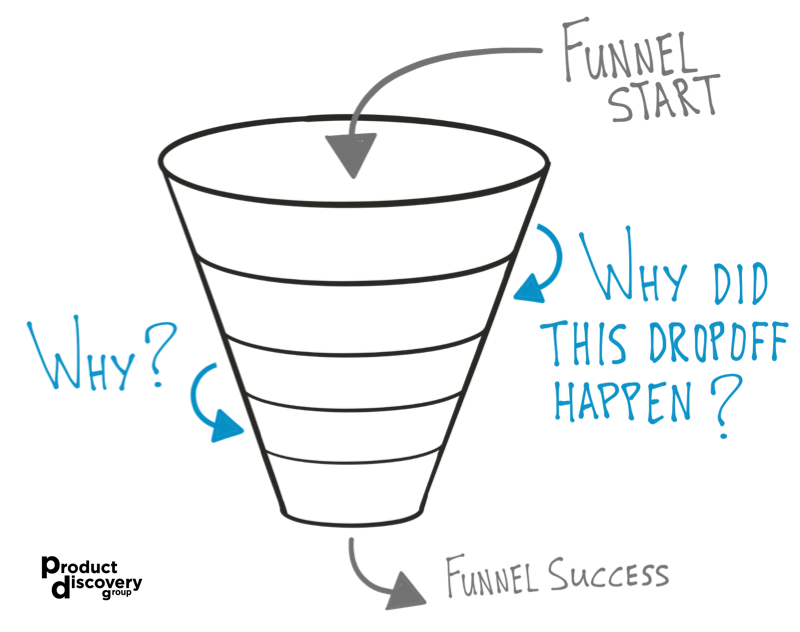
Funnel Metrics and Segmentation
Where should you focus your next efforts?Find product improvements and new product ideas by quantitatively analyzing your customer's journey. Segment users to find root causes.
-
Advanced Product Analytics
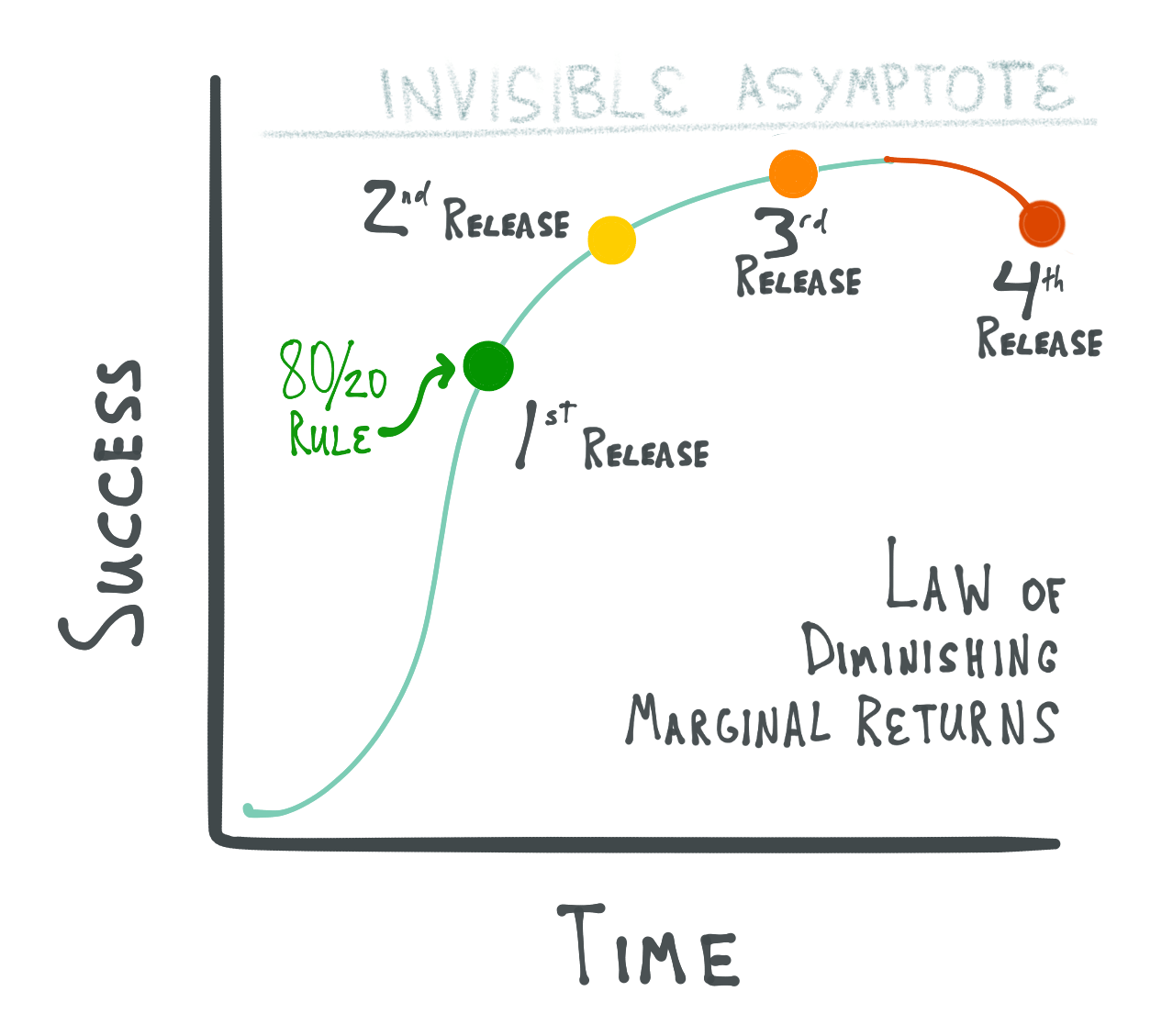
Go deeper with Product Analytics to spot trends and make better decisions. Learn about metric pitfalls (misleading averages, vanity metrics, etc), metric game changers (leading indicators, proxy metrics, etc) and other advanced techniques (cohorts, visualizations, distributions, etc). Learn techniques to change your company culture to be more data-driven.
Micro-Workshops: Strategy, Vision and Communication
-

Expert Storytelling for PMs
PMs have to work up and down the organization to get things done with no direct authority. Learn how different storytelling arcs can be used with different audiences to communicate and drive alignment from stakeholders to customers to team members.
-
Outcome-Based Roadmapping
The traditional roadmap is a trap. It’s attempts to drive alignment within the company but really just reinforces the feature factory mentality. Explain your strategy with an outcome-based roadmap that gives short-term certainty while providing focus for medium to long term direction.
-
Market Sizing
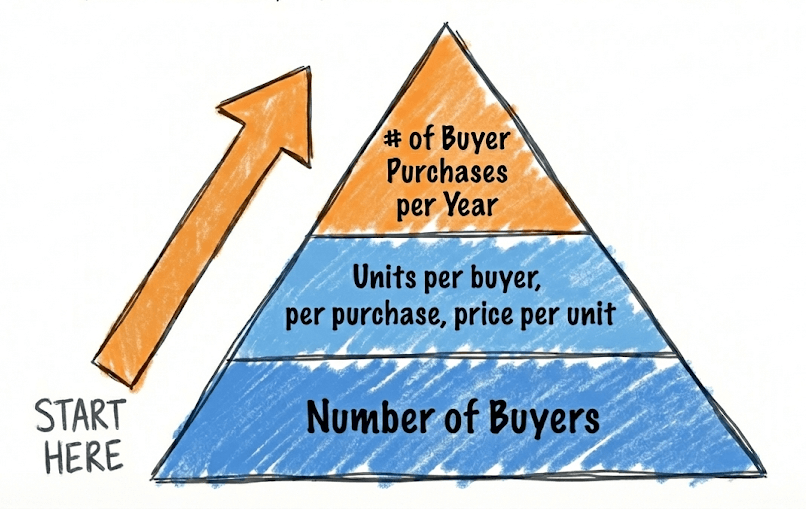
When thinking about new markets and new customer segments, how can you see where the most potential lies? Learn to analyze markets, understand product differentiation and gauge how a new product might be successful.
All workshops led by Jim Morris

Jim coaches Product Management organizations in startups, growth companies, and Fortune 100s.
He's a Silicon Valley entrepreneur with over two decades of experience including an IPO ($450 million) and a buyout ($168 million). These days, he coaches Product leaders and teams to find product-market fit and accelerate growth across a variety of industries and business models.
Jim graduated from Stanford University with a BS in Computer Science and currently lectures at UC Berkeley in Product Management.