
The Prototype Interview Explained
900+ Users Interviewed
10+ Years
200+ Product Teams
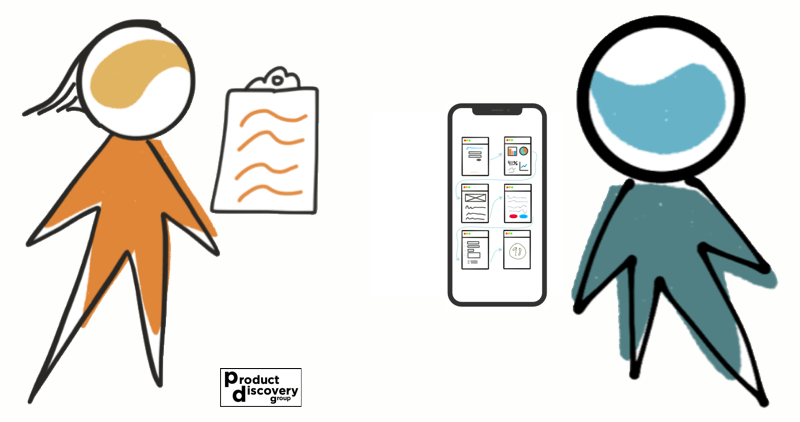
The prototype interview is a valuable and efficient method for validating product ideas.
It tests your potential solutions while at the same time verifying your assumptions about the problems or opportunities that your target customer might be having.
Yet, most Product teams don’t often validate solutions with users, if at all.
These are my practical lessons learned from 10+ years of recruiting and interviewing over 900 users.
First, set up the right prototype experiment and plan how you’re going to run the prototype test.
As you’re creating your prototypes, recruit and screen for your target customers.
Once you have a user in front of you (on Zoom or in person), make sure you kickoff the interview correctly and avoid saying these no-no phrases.
In the prototype interview, you will listen, observe, and take proactive steps to make the most of the time you have with the user.
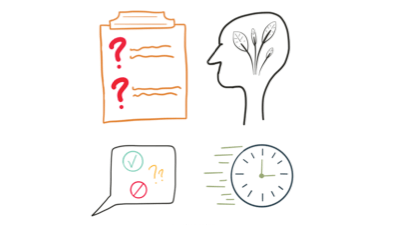
Even though you’ve collected a lot of data, you can speed up your analysis, determine whether you’ve got a winning solution, and decide on your next steps sometimes in 30 minutes or less.
The full list of articles is listed below.









Jim is a coach for Product Management leaders and teams in early stage startups, tech companies and Fortune 100 corporations.
Jim co-founded PowerReviews which grew to 1,200+ clients and sold for $168 million. He product-managed and architected one of the Internet's first ecommerce systems at Fogdog.com that went IPO at a $450 million valuation.
These days, he coaches companies to find product-market fit and accelerate growth in digital health, financial services, ecommerce, internal platforms, machine learning, computer vision, energy infrastructure and more.
He graduated from Stanford University with a BS in Computer Science. He lectures in Product Management at UC Berkeley.

Has your Product team created a “pixel perfect” design before even talking to users?
Does the initial design have more than 10 screens?
If so, the designs are overbuilt and too big to learn from.