Don’t Replace Your Enterprise Apps (yet)
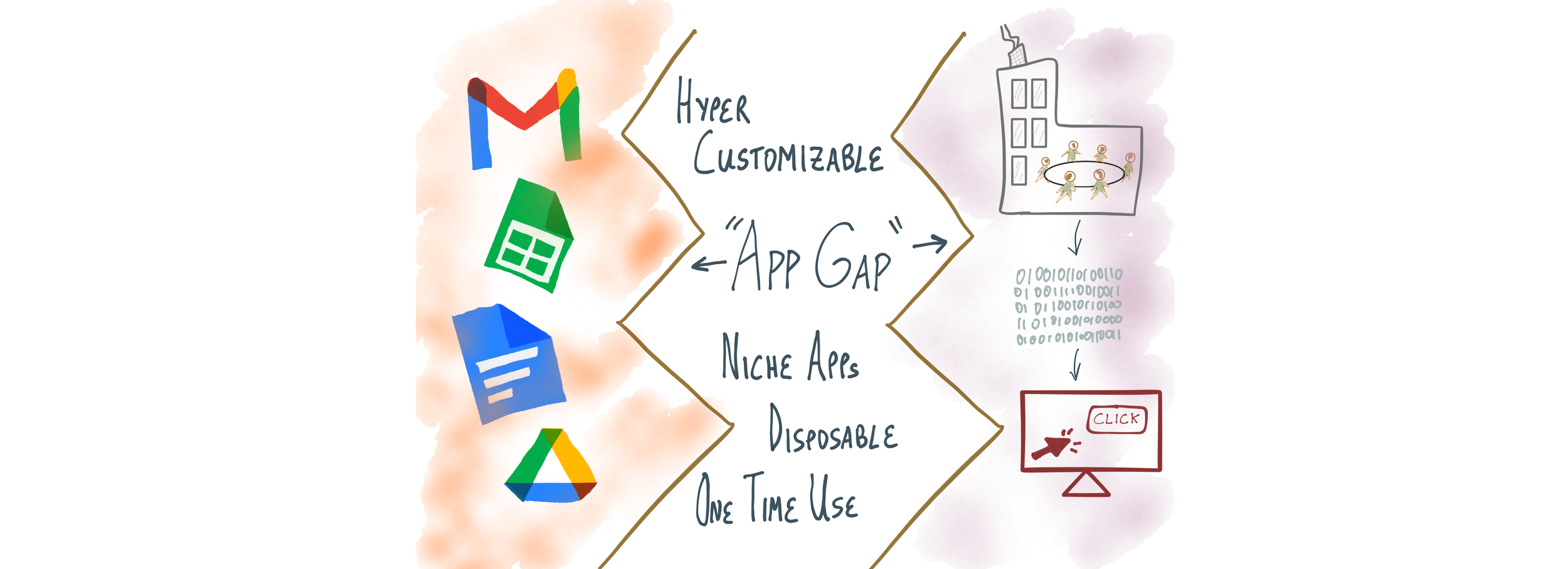
Enterprise apps aren’t going anywhere (for a while). The doomsday articles are getting you to keep scrolling but are missing the point of the new tech. The "App Gap" that vibe coding solves sits in the space between productivity apps and enterprise apps.
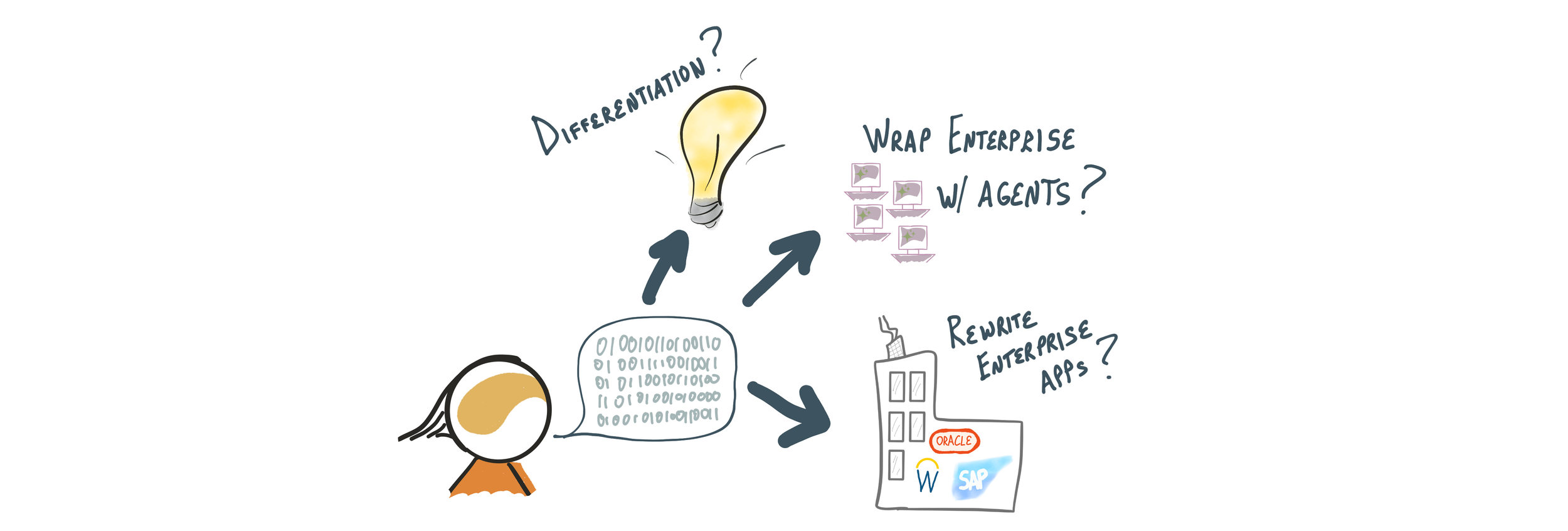
Enterprise apps are too embedded. Too many workflows, too many approvals, too many custom flows and dependencies. AI isn’t going to magically replace Salesforce, SAP, ServiceNow, Workday, Oracle, etc.
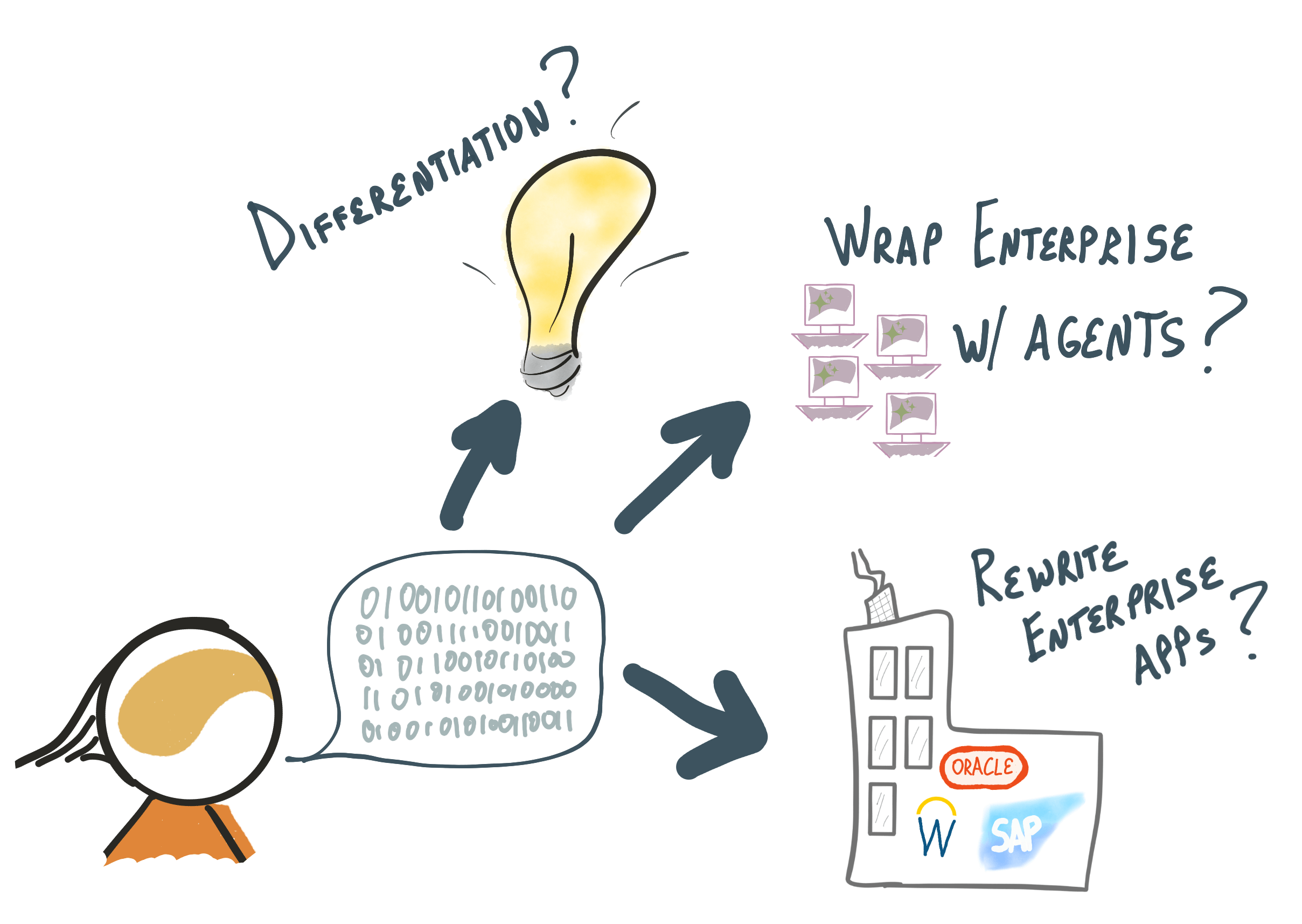
Maybe AI will wrap their awful UI. Though the smart enterprise companies will wrap their own UI before an external agent does it for them.
Yes, an "enterprising" employee could vibe code a portion of a CRM. But they incur the opportunity cost of not building **differentiating** technology for their company.
Note that most employees will not want to rewrite an enterprise system. Most of us want to do our job, not create the underlying tech.
The AI stories we read are from the small percentage of AI heroes who have the curiosity and ambition to attempt a replacement.
Being annoyed at enterprise tech should not be an excuse for replacing it.
As a leader, you should be thoughtful of where you spend your AI time and energy.
The cost of vibe coding and more importantly **vibe debugging** does not make sense for replacing enterprise apps (yet).
The smart enterprises will use AI to stay on top of their market just as with any previous tech trend.
More for Product Leaders
Enterprise apps aren’t going anywhere (for a while). The doomsday articles are getting you keep scrolling but are missing the point of the new tech. The "App Gap" that vibe coding solves sits in the space between productivity apps and enterprise apps.
Enterprise apps are too embedded. Too many workflows, too many approvals, too many custom flows and dependencies. AI isn’t going to magically replace Salesforce, SAP, ServiceNow, Workday, Oracle, etc.
Introducing the "App Gap".
On one side, we’ve got the productivity tools we all live in: Sheets. Docs. Slides. Email. Calendar.
On the other side, we’ve got enterprise apps: Salesforce. Workday. Jira. Systems of record.
For the most common tasks, we buy enterprise systems.
For everything else, we shoe-horn the task into a productivity application.
Should we put Fun on the Roadmap?
Most of you LinkedIn business types probably think it's dumb. I get it. We want efficient, "tight" user experiences and our backlog is too long to even contemplate Fun.
But what if Fun is now an expectation?
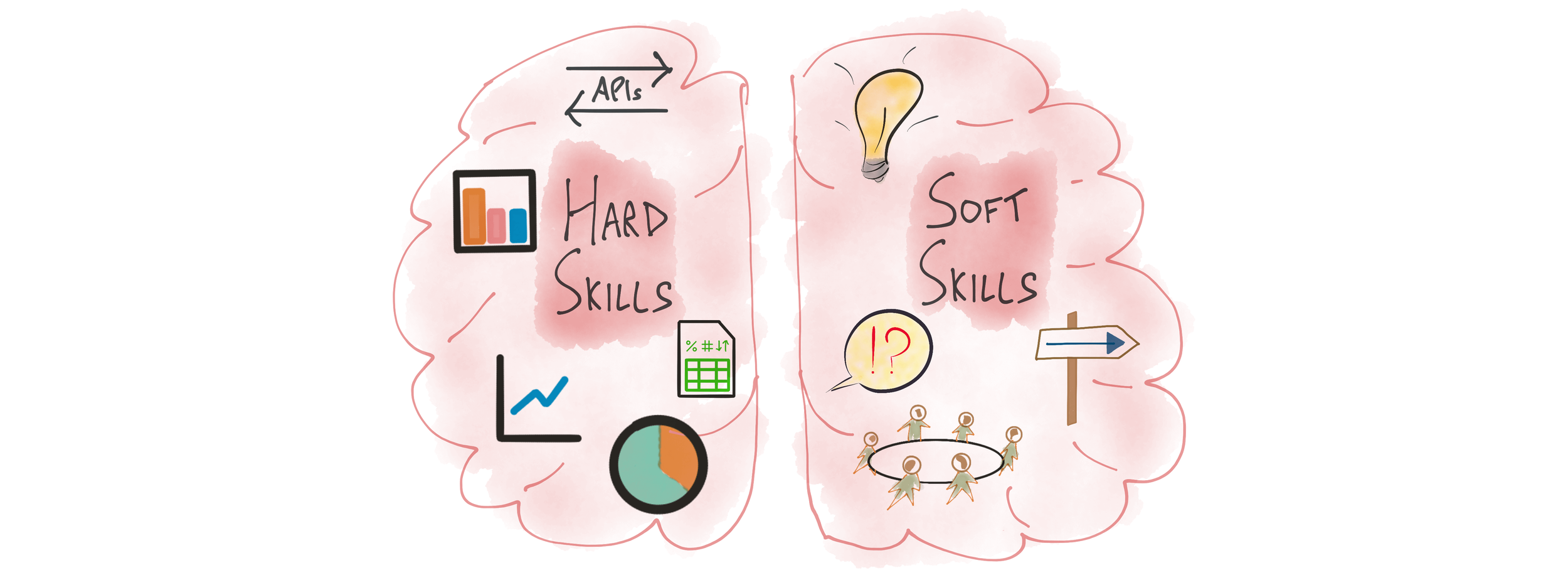
Great Product Management skills are a combination of hard skills and soft skills. As technology gets easier to use, the soft skills actually get a little bit more important.
Especially when you get 60% of the audience to fill it out...again and again. month after month. year after year.
How do I get that high of a response rate?
What's the purpose of your Customer Advisory Board?
As a product guy, I want my most reflective and thoughtful clients that are aligned to our product vision to participate in the Customer Advisory Board (CAB).
However, most CABs are picked out by the sales, marketing and customer success teams looking to provide visibility and kudos to clients that we need to renew.
It’s the time of year where leaders in all organizations are planning for next year, creating an Annual Operation Plan (AOP).
While these plans may not always unfold exactly as envisioned, they create a shared understanding among leaders and teams about key priorities for the coming year.
I recently facilitated a roundtable with several leaders about annual planning and distilled the discussion into an approach that is less painful and more fruitful.
During my time in ecommerce, my team made some key adjustments leading up to the Christmas season with the goal of boosting conversion rates. We ran a multivariate test, tweaking elements in 7 critical areas on our most visited page type. Each area experimented with multiple variations, allowing us to test a wide range of possibilities.
After a reorg, my team inherited what we thought was an awesome product.
We had big name clients and a flashy demo that opened door after door for new prospective clients.
However, as we talked to current clients and looked into their use of the product (or lack thereof), it was clear this product was struggling.
As CTO and Head of Product, I worried about the 13th month.
After an initial 12 month subscription, we wanted our clients to sign up for that 13th month, to renew for another year.
At PowerReviews, we had 1,200 clients in 20 countries. Every month, one or more client’s one year subscriptions were coming up for renewal.
A panel of industry execs weighed in on how we can get exec backing for design and research activities.
We discussed the role of UX research, the importance of qualitative and quantitative data, and how to demonstrate the value of design to non-design senior leaders.
Many companies adopt the Objectives and Key Results (OKRs) framework.
They create goals but struggle to achieve them.
Only some of this failure can be blamed on the goals themselves.
Part of this failure can be attributed to a lack of an analytic culture and a lack of an analytic mindset in your key employees.
It’s a simple question.
But often there’s an unsatisfying answer.
The first step towards understanding whether you're successful today starts with recognizing (and using less of) the following types of data: “Anecdata”, Reactive measurements, and Internal metrics.
Teams are stuck in a "doom loop" of planning.
Every time there's an unpredictable event, leadership asks for more planning in order to avoid another unpredictable event.
Instead of continuing to predict the future (poorly), teams should repurpose longer term planning time for discovery time.
“Start somewhere, anywhere.”
The first Product Discovery effort for a team doesn’t have to be perfect.
Product leaders don’t have to be experts in Product Discovery to get their teams started doing Product Discovery.
Jim coaches Product Management organizations in startups, growth stage companies and Fortune 100s.
He's a Silicon Valley founder with over two decades of experience including an IPO ($450 million) and a buyout ($168 million). These days, he coaches Product leaders and teams to find product-market fit and accelerate growth across a variety of industries and business models.
Jim graduated from Stanford University with a BS in Computer Science and currently lectures at University of California, Berkeley in Product Management.