Feedback is a gift
Especially when you get 60% of the audience to fill it out...again and again. month after month. year after year.
How do I get that high of a response rate?
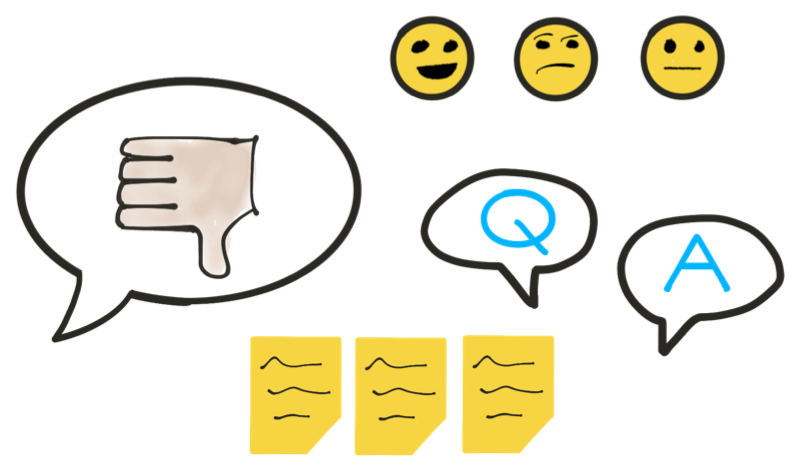
Simple, I allocate class time/workshop time to fill out the form by using a couple minutes at the end. People rarely give feedback after an event is over. The forms are anonymous to encourage freedom of expression. My form only has 4 questions. https://pdg.info/survey
My first major learning was that I couldn't please everyone in the audience.
Which led to my second major learning which was that the audience matters much more than I thought. Are they beginners or advanced folks? Are they product managers, designers, engineers or their leaders... or is it a mixed group of all of the above?
The third and following learnings are all about the material I present and how to make it better.
So what does this mean?
One, a high volume of feedback-reflection-change cycles is key to long term success. (sound familiar for you Product Discovery folks out there!)
Two, I'm no longer afraid of giving new material I'm not an expert on since I have the tools to improve. See #1 above.
Three, I have cultivated low stakes, low pressure outlets (incubators, classrooms, meetups, podcasts, etc) to test and improve material before I offer it at market rates to my clients.
I used to dread feedback. Now, it's a lifeline to improvement, confidence, and new business.
Yesterday, I consolidated and emailed feedback from me, industry judges and every other student in the class to each of the 12 teams I taught from the UC Berkeley Fung Institute for Engineering Leadership. I hope they will see this feedback as a gift and use it to improve the way I have.
Thank you to Gibson Biddle for giving a fascinating talk (Mind the Product, pre-Covid days in SF) about his time at Netflix that was overshadowed (for me) by his aside on collecting NPS scores from his audience and describing how he used this feedback to develop high quality talks.
Being a Better Product Leader










Jim coaches Product Management organizations in startups, growth stage companies and Fortune 100s.
He's a Silicon Valley founder with over two decades of experience including an IPO ($450 million) and a buyout ($168 million). These days, he coaches Product leaders and teams to find product-market fit and accelerate growth across a variety of industries and business models.
Jim graduated from Stanford University with a BS in Computer Science and currently lectures at University of California, Berkeley in Product Management.